


This information enables the management to make decisions based on actual financial data rather than assumptions. At its core, accounting provides stakeholders with a comprehensive view of the economic activities of a business. In addition to tracking HOA Accounting transactions, it offers insights into the company’s performance, assists in decision-making, and ensures compliance with legal requirements.
Recordation

If the company is a corporation, the third section of a corporation’s balance sheet is Stockholders’ Equity. (If the company is a sole proprietorship, it is Owner’s Equity.) The amount of Stockholders’ Equity is the difference (or residual) of assets minus liabilities. Marilyn points out that an income statement will show how profitable Direct Delivery has been during the time interval shown in the statement’s heading. This period of time might be a week, a month, three months, five weeks, or a year—Joe can choose whatever time period he deems most useful.
Internal Revenue Service (IRS)
Tax accounts balance compliance with reporting rules while also attempting to minimize a company’s tax liability through thoughtful strategic decision-making. You don’t want to be in a situation where you have to pay more income tax than is normally required by the Internal Revenue Service (IRS). It’s also worth noting that while all CPAs are accountants, not all accountants are CPAs.
Components of Financial Accounting
- This piece of ad content was created by Rasmussen University to support its educational programs.
- You can choose to manage your business accounting by hiring an in-house accountant or CPA.
- Hiring an accountant to manage bills and expenses will improve your bottom line.
- Between December 1 and December 31, $200 worth of insurance premium is “used up” or “expires”.
- Ultimately, every business needs accounting — it’s how companies understand their financial footing and future growth (or decline).
- This type of accounting is necessary for businesses to understand and meet their fiscal obligations, as well as to minimize their tax liabilities through tax planning and strategy.
The business organization maintains only cash book and personal accounts of debtors and creditors. So the complete recording of transactions cannot be made and trail balance cannot be prepared. Accounting is a business language which explains the various kinds of transactions during a given period of time. Accounting is https://www.bookstime.com/ used by business entities for keeping records of their money or financial transactions. Many accounting practices have been simplified with the help of accounting computer-based software.
- The accounting industry is governed by various organizations and standards to ensure accuracy and compliance.
- Rasmussen University is accredited by the Higher Learning Commission, an institutional accreditation agency recognized by the U.S.
- Accounting is an important service activity in business and is concerned with the collecting, recording, evaluating and communicating the results of past events.
- When a figure is non-GAAP, the company must say so and investors should pay heed to that fact.
- When the check is written, the accounting software will automatically make the entry into these two accounts.
Accounting software transforms how you handle financial data by automating manual tasks and providing real-time insights. Your accounting team saves time and reduces errors by automating data entry, while cloud-based systems eliminate paper files and give you secure access to financial records from anywhere. This shift from manual to automated processes means your team can focus on strategic tasks like analyzing profit trends, identifying cost-saving opportunities, and developing financial strategies.
Internal Users
QuickBooks allows businesses to track income and expenses, create invoices, manage bills, and generate financial reports. It also offers a variety accounting meaning of tools to help businesses manage their cash flow, such as forecasting and budgeting tools. Managers use financial reports to forecast future revenue and expenses, which helps them make decisions about future investments and expansion plans.
Balance Sheet

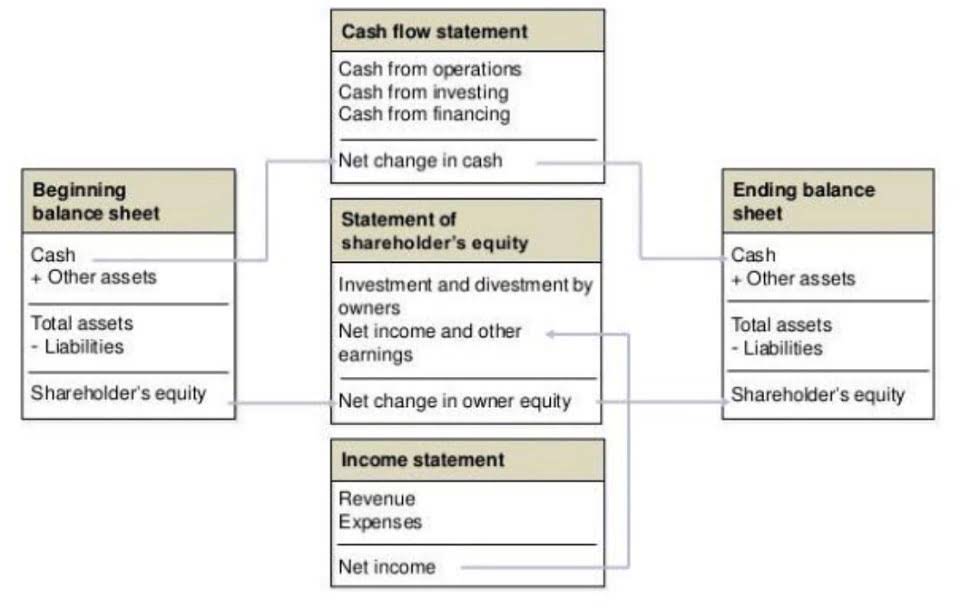
This information is presented in financial statements, which include the balance sheet, income statement, and cash flow statement. Marilyn moves on to explain the balance sheet, a financial statement that reports the amount of a company’s (A) assets, (B) liabilities, and (C) stockholders’ (or owner’s) equity at a specific point in time. Because the balance sheet reflects a specific point in time rather than a period of time, Marilyn likes to refer to the balance sheet as a “snapshot” of a company’s financial position at a given moment. For example, if a balance sheet is dated December 31, the amounts shown on the balance sheet are the balances in the accounts after all transactions pertaining to December 31 have been recorded.
Helpful in Assessing the Tax Liability
Software solutions like QuickBooks, Xero, and SAP automate tasks such as data entry, reconciliations, and financial reporting. These tools enable businesses to manage their finances more efficiently while reducing the risk of human error. Financial statements derived from accounting records provide a snapshot of a company’s performance, helping stakeholders assess whether the business is meeting its objectives.
These laws established the Securities and Exchange Commission (SEC) and mandated standardized financial reporting for public companies. During the same decade, the American Institute of Certified Public Accountants (AICPA) worked with the SEC to develop the first formal accounting standards. In many other countries, these guidelines fall to the IFRS, established by the International Accounting Standards Board (IASB). The process of preparing a company’s financial statements to show their financial performance and position to people outside the company, including investors, creditors, suppliers or customers. Steps followed in the accounting process to measure business transactions, and transform those measurements into financial statements.